The Future of Autonomous Business Operations
Businesses today are overwhelmed by repetitive workflows, operational bottlenecks, fragmented tools, and constant task management. Founders, freelancers, and small teams often spend more time coordinating work than actually growing their business.
An AI Chief of Staff is an AI-powered operational system designed to plan workflows, delegate tasks, coordinate execution, and manage business operations automatically. Unlike traditional AI assistants that simply respond to prompts, an AI Chief of Staff actively oversees workflows and ensures operational tasks move forward autonomously.
As AI-powered business systems continue evolving, AI Chiefs of Staff are becoming the operational layer that helps companies scale without increasing manual coordination.
Understanding the Role of an AI Chief of Staff
A traditional Chief of Staff helps executives manage priorities, operations, communication, and strategic execution. An AI Chief of Staff applies the same operational logic, using autonomous AI systems to coordinate work across multiple business functions.
Instead of simply generating responses, an AI Chief of Staff can:
- Organize operational workflows
- Assign tasks automatically
- Monitor execution progress
- Coordinate specialized AI systems
- Streamline business processes
- Reduce operational overhead
This allows businesses to automate operational management rather than only automating isolated tasks.
How an AI Chief of Staff Works
An AI Chief of Staff typically serves as a centralized operational layer connecting multiple workflows, tools, and execution systems.
Businesses adopting AI-powered operational systems are increasingly using AI Chiefs of Staff to automate planning, delegation, coordination, and execution workflows. Learn more about how AI Chief of Staff systems run business operations.
The process generally includes:
- Workflow Planning – The system analyzes operational goals, incoming tasks, and business priorities to automatically structure workflows.
- Task Delegation – Tasks are assigned to specialized AI systems or operational workflows based on business requirements.
- Execution Coordination – The AI Chief of Staff monitors execution, tracks workflow progress, and manages operational dependencies.
- Operational Automation – Routine processes such as billing, follow-ups, reporting, content coordination, scheduling, and task management can run automatically.
- Continuous Optimization – AI systems improve workflows over time by identifying bottlenecks, repetitive tasks, and operational inefficiencies.
This operational approach allows businesses to move beyond simple chatbot automation into full workflow orchestration.
Key Benefits of an AI Chief of Staff
- Reduced Operational Overload – Freelancers and founders often become trapped in administrative work. An AI Chief of Staff helps reduce manual coordination by automating operational management.
- Faster Workflow Execution – Operational tasks move faster when workflows are delegated and coordinated automatically rather than manually assigned across tools and team members.
- Centralized Business Operations – Instead of managing disconnected systems, businesses can operate through a unified operational layer that coordinates workflows across departments.
- Scalable Operations – As businesses grow, operational complexity increases. AI-powered coordination systems help teams scale processes without significantly increasing overhead.
- Improved Delegation – An AI Chief of Staff can assign work to specialized AI systems, reducing the need for constant human supervision and repetitive task management.
AI Chief of Staff vs AI Assistant
Many businesses confuse AI assistants with AI Chiefs of Staff, but the two systems operate very differently.
| AI Assistant | AI Chief of Staff |
| Responds to prompts | Manages workflows proactively |
| Handles isolated tasks | Coordinates operations end-to-end |
| Requires continuous input | Automates delegation and execution |
| Focused on productivity | Focused on operational management |
| Works as a tool | Functions as an operational system |
An AI assistant helps users complete tasks. An AI Chief of Staff helps businesses run operations. This distinction is becoming increasingly important as businesses adopt autonomous workflow systems.
Common Use Cases for an AI Chief of Staff
AI Chiefs of Staff can support a wide range of operational activities across different industries and business models.
- Freelancers – Managing invoicing, client onboarding, content workflows, scheduling, and follow-ups.
- Solopreneurs – Coordinating sales, marketing, billing, customer communication, and operational workflows from a centralized system.
- Agencies – Automating task delegation, campaign coordination, reporting workflows, and client management operations.
- Startups – Handling operational execution while founders focus on product development and business growth.
- Service Businesses – Managing recurring operational tasks, documentation, support coordination, and administrative processes.
What Are AI Specialists?
Many AI Chief of Staff systems rely on specialized AI workers designed for specific business functions.
These AI specialists include:
- AI Sales Specialists
- AI Billing Specialists
- AI Content Specialists
- AI Support Specialists
- AI Operations Specialists
Instead of one general-purpose assistant handling everything, specialized AI systems execute focused operational workflows more efficiently.
This creates a more scalable AI workforce model for modern businesses.
The Rise of AI Workforce Platforms
As AI systems evolve, businesses are moving toward AI workforce platforms that manage operations through interconnected AI specialists and autonomous workflows.
These systems go beyond traditional automation tools by combining:
- Workflow orchestration
- Task delegation
- Operational coordination
- Intelligent execution
- Business process management
The shift from “AI tools” to “AI operational systems” is becoming one of the biggest transformations in business software.
How RangerOS Uses the AI Chief of Staff Model
RangerOS is an AI Chief of Staff platform designed for freelancers, solopreneurs, and growing businesses. It manages business operations end-to-end by planning workflows, assigning tasks to AI specialists, and automatically executing work.
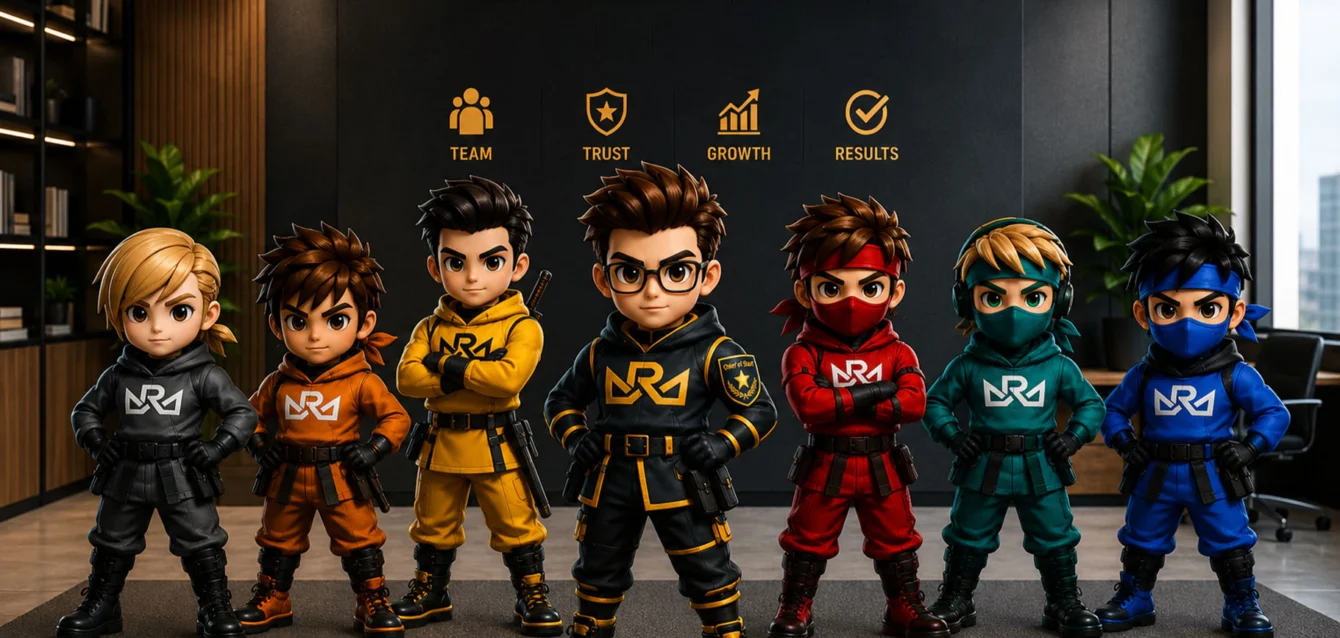
Instead of functioning as a simple AI chatbot, RangerOS operates as an AI workforce system where specialized AI employees coordinate operational tasks across sales, billing, content, support, and workflow management.
This operational model helps businesses automate execution rather than only automate individual tasks.
The Future of Autonomous Operations
AI-powered operational systems are rapidly changing how businesses manage execution, coordination, and scalability.
Rather than relying entirely on manual delegation and fragmented software stacks, businesses are beginning to adopt AI systems capable of:
- Managing workflows
- Coordinating operations
- Delegating tasks intelligently
- Automating execution across departments
AI Chiefs of Staff represent the next evolution of operational management in the era of autonomous business systems.
FAQs
Q1. What does an AI Chief of Staff do?
An AI Chief of Staff manages workflows, delegates operational tasks, coordinates execution, and helps automate business operations across multiple functions.
Q2. How is an AI Chief of Staff different from an AI assistant?
AI assistants primarily respond to prompts and handle individual tasks, while AI Chiefs of Staff coordinate operational workflows and proactively manage execution.
Q3. Can an AI Chief of Staff automate business operations?
Yes. AI Chief of Staff systems can automate workflow planning, delegation, operational coordination, reporting, scheduling, and repetitive business processes.
Q4. Who should use an AI Chief of Staff?
Freelancers, solopreneurs, agencies, startups, consultants, and growing businesses can benefit from AI-powered operational coordination systems.
Q5. What are AI specialists?
AI specialists are specialized AI systems designed to execute specific operational functions such as sales, billing, content creation, support, or workflow management.
Final Thoughts
An AI Chief of Staff is no longer just a futuristic concept. It is becoming a practical operational system that helps businesses automate coordination, delegation, and execution at scale.
As companies increasingly adopt autonomous business workflows, AI-powered operational systems will play a central role in how modern businesses manage growth, productivity, and execution.
Businesses that adapt early to AI workforce systems and operational automation platforms will likely gain a significant advantage in efficiency, scalability, and operational speed.